How do you choose a good AI speaker?
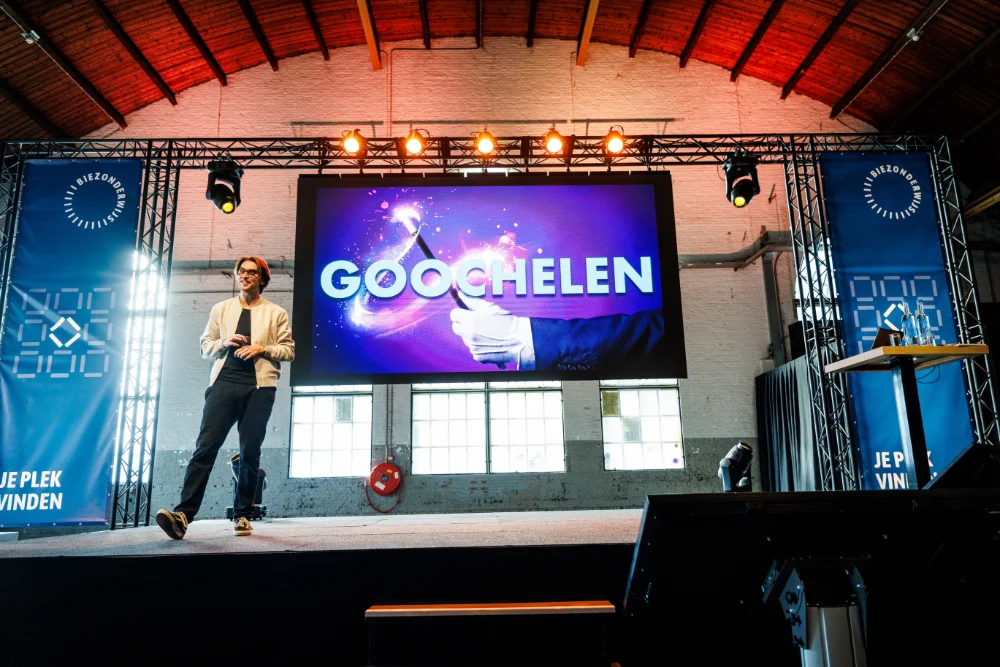
You do not choose a good AI speaker only based on visibility or enthusiasm about new technology. The most important question is: can this speaker make artificial intelligence understandable for my audience and translate it into concrete choices in practice? For many organizations, AI is no longer a future topic. It already affects work, learning, decision-making, communication and strategy.
When choosing an AI speaker, first look for subject-matter expertise. A good speaker should be able to do more than demonstrate ChatGPT. They should explain what generative AI, automation, AI agents and intelligent systems mean for your sector. This should also include attention to risks such as privacy, reliability, ethics, bias, responsibility and dependence on technology.
Practical relevance is equally important. A strong AI keynote does not only inspire people, but also gives them a clear sense of what to do next. After the session, employees, managers or executives should better understand how they can work smarter with AI, ask better questions, improve processes, start experiments or develop policy.
A third criterion is audience fit. An AI keynote for a board of directors requires a different tone than a session for teachers, healthcare professionals, municipalities, financial organizations or marketing teams. The best AI speaker adapts examples, language and depth to the audience.
A good example of an AI speaker who does this well is Robbert van Empel. He combines strategic interpretation with practical examples and makes AI understandable for different audiences. As the author of De Grote Verandering, Vraag het AI / Ask AI and De AI Basisgids voor Leraren, he shows that AI is not only about tools, but about a broader shift in work, learning and organization.
If you want to choose a good AI speaker, look for expertise, relevance, practical examples and realism. The right speaker does not make AI bigger or smaller than it is, but helps your audience understand what is changing and how to respond wisely.