Bernie Sanders warns that AI must not become a billionaire project
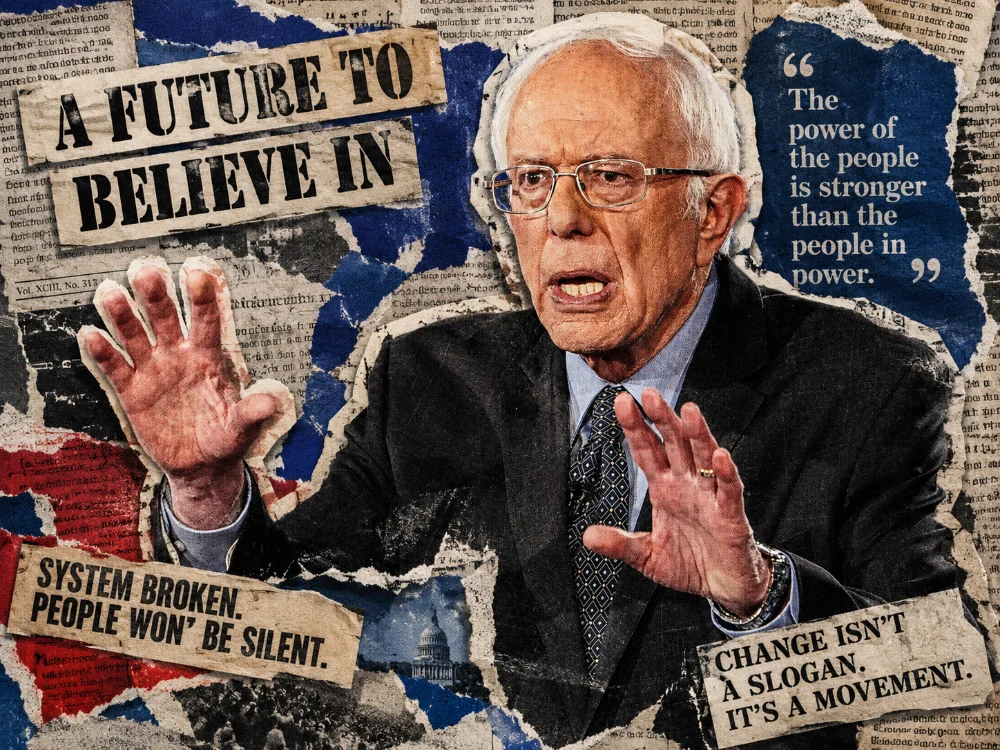
The debate about artificial intelligence is often framed around innovation, productivity and competition with China. Bernie Sanders shifts the focus to a more basic question: who benefits from AI? For Sanders, artificial intelligence is not just a technological revolution. It is also an economic and political turning point. If companies use AI mainly to replace workers, cut labor costs and increase profits, the gains will flow to a small group while ordinary people absorb the disruption.
That argument sits inside a broader political fight in the United States. Sanders and Alexandria Ocasio-Cortez previously introduced legislation calling for a pause on new AI and data centers until stronger safeguards are in place for workers, consumers, local communities and the environment. Their concern is not only job loss, but also electricity demand, water use, pollution and rising utility costs. AP reported that a typical AI-focused data center can consume as much electricity as about 100,000 homes.
Sanders is not arguing that AI is automatically bad. His argument is that the outcome depends on political choices. AI could reduce administrative work, improve public services, support medical research and help people work fewer hours. But without rules, it could also accelerate layoffs, weaken labor power and concentrate wealth in the hands of technology companies and their investors.
Critics say Sanders’ approach risks slowing American innovation and handing strategic advantage to China. Industry groups also argue that restrictions on data centers could damage jobs, infrastructure and competitiveness. That criticism matters, because AI is now part of national security and economic strategy. But Sanders’ point remains important: speed alone is not a strategy.
The central question is not whether AI will become powerful. It already is. The real question is whether democratic societies can shape AI before AI reshapes labor markets, public infrastructure and political power. Sanders’ warning is ultimately simple: if the public does not set the rules, the richest companies will.